


The Ultimate Guide to Choosing the Right PE/PP Coated Fabric for Your Project
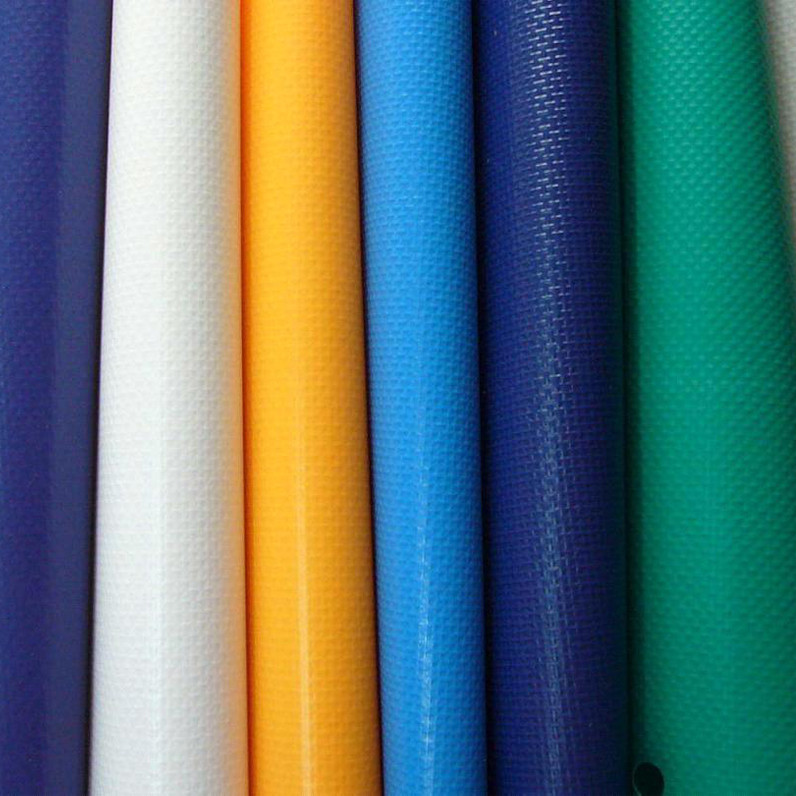
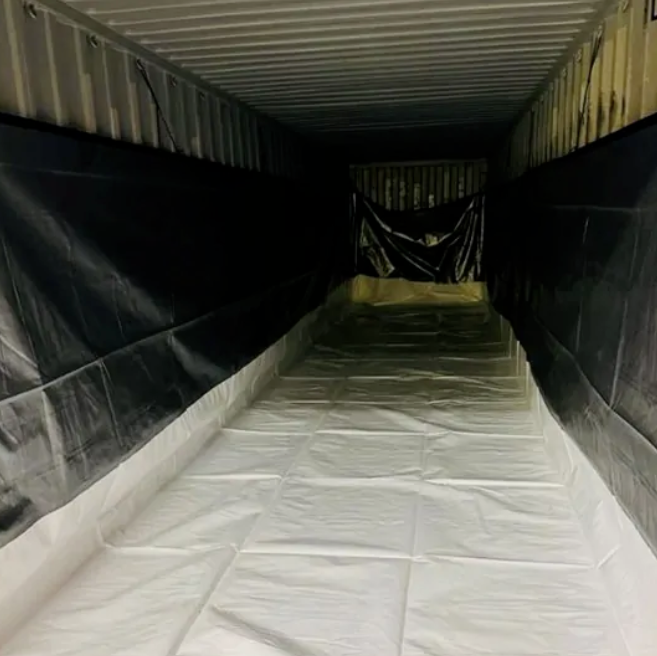
Selecting the appropriate PE/PP-coated fabric is crucial, as it directly impacts the success, durability, and cost-effectiveness of your project. Whether you are involved in industrial applications, agricultural coverings, packaging solutions, or construction materials, understanding the nuances of polyethylene (PE) and polypropylene (PP) coated fabrics is essential. At TAIMEI, backed by decades of specialized experience, we are here to help you navigate this complex landscape and make informed decisions tailored to your specific requirements.
Understanding Polyethylene and Polypropylene Coated Fabrics
Polyethylene (PE) and polypropylene (PP) are thermoplastic polymers widely utilized in the production of coated fabrics due to their exceptional chemical resistance, flexibility, and cost-effectiveness. When applied as a protective coating to various base fabrics, these polymers significantly enhance the material's performance characteristics.
Coated fabrics exhibit superior water resistance, UV stability, abrasion resistance, and mechanical strength. These attributes enable them to perform reliably in demanding environments—such as construction sites, agricultural fields, logistics operations, and outdoor storage facilities. Consequently, PE and PP-coated fabrics have become indispensable materials across various industries, meeting the demand for durable, weather-resistant, and economical textile solutions.
What Are PE Coated Fabrics?
PE-coated fabrics are produced by applying a thin layer of polyethylene coating onto a base fabric, which may consist of woven textiles (such as polyester or polypropylene fabrics) or non-woven materials. The coating process typically involves extrusion coating or lamination techniques to ensure a strong, secure bond between the polyethylene layer and the fabric surface.
This coating significantly enhances the fabric's resistance to moisture, chemicals, and environmental degradation. PE-coated fabrics are highly prized for their water-repellent properties and flexibility, maintaining excellent performance even when subjected to fluctuating temperatures. Furthermore, the polyethylene coating serves to protect the base fabric from UV radiation and physical abrasion, thereby extending the product's overall service life. Due to these advantages, polyethylene-coated fabrics are widely used in applications such as tarpaulins, truck covers, construction site protective sheeting, agricultural mulches, pond liners, and temporary shelters. Their affordability and ease of production also make them a popular choice for large-scale industrial and commercial applications.
What Are PP-Coated Fabrics?
Polypropylene-coated fabrics are produced by applying a layer of polypropylene onto the surface of a base fabric. Polypropylene is renowned for its excellent strength-to-weight ratio, making it particularly well-suited for applications that require both durability and lightweight performance.
The PP coating enhances the fabric's tensile strength, tear resistance, and fatigue resistance, enabling it to withstand repetitive mechanical stress without compromising its structural integrity. Furthermore, polypropylene coatings offer resistance to chemical corrosion, moisture, and microbial growth, making them suitable for use in harsh industrial environments.
Polypropylene-coated fabrics are widely utilized in sectors such as industrial packaging, geotextiles, Flexible Intermediate Bulk Containers (FIBCs), automotive components, and protective covers. Their durability and structural stability make them an ideal choice as reinforcement materials in infrastructure projects, including road construction and soil stabilization.
Key Advantages of PE and PP Coated Fabrics
PE and PP-coated fabrics combine superior performance with cost-effectiveness, making them highly attractive to both manufacturers and end-users. Key advantages include:
Excellent water and moisture resistance
Strong resistance to chemicals and environmental exposure
High durability and tear resistance
Lightweight construction offering robust structural support
Low-cost production suitable for large-scale industrial applications
Compatibility with a wide range of coating thicknesses and fabric substrates
Owing to these advantages, coated fabrics continue to be a preferred choice in industries requiring reliable protective materials. As manufacturing technologies advance, PE and PP-coated fabrics are expected to demonstrate even greater performance, sustainability, and customization capabilities, thereby meeting the diverse needs of various industrial applications.
Key Factors to Consider When Choosing PE/PP Coated Fabrics
Selecting the appropriate coated fabric requires an analysis of multiple factors to ensure the material meets the project's performance requirements and budgetary constraints. Here are some key considerations:
1. Application Environment and Exposure Conditions
- Outdoor vs. Indoor Use: For outdoor applications exposed to sunlight, rain, and wind, UV resistance and waterproofing capabilities are critical.
- Chemical Exposure: If the fabric will come into contact with corrosive chemicals or oils, select a coating with high chemical resistance.
- Temperature Range: For high-temperature environments, choose fabrics that possess thermal stability.
2. Mechanical Performance Requirements
- Tensile Strength: Crucial for load-bearing applications, particularly in tarpaulins and industrial covers.
- Tear Strength and Abrasion Resistance: Essential for industrial textiles that are frequently subjected to mechanical stress.
- Flexibility and Flex Fatigue Resistance: Suitable for applications requiring frequent movement or folding.
3. Durability and Service Life
- UV Stability: Prolonged exposure to sunlight can cause fabric degradation; UV stabilizers can extend the fabric's service life.
- Waterproofing: Ensures protection against the effects of rain, dampness, and moisture.
- Weather Resistance: Ability to withstand wind, snow, and temperature fluctuations.
4. Aesthetic and Functional Attributes
- Color and Opacity: Dependent on visibility requirements or aesthetic preferences.
- Printability: Suitable for displaying branding or instructional information.
- Transparency: Applicable to uses where light transmission is required.
5. Cost and Economic Efficiency
- Material Cost: PE-coated fabrics are often more cost-effective for general waterproofing purposes.
- Processing and Maintenance Costs: Consider the ease of cleaning and repair, as well as the overall service life.
Advantages and Disadvantages of PE-Coated Fabrics
Advantages
Superior Waterproofing Performance: One of the most significant advantages of PE-coated fabrics is their exceptional waterproofing capability. The polyethylene coating forms a continuous barrier that effectively prevents moisture penetration, allowing these fabrics to perform excellently in environments involving rain, dampness, or high humidity. This characteristic makes PE-coated fabrics widely applicable in fields such as tarpaulins, truck covers, outdoor equipment covers, and agricultural coverings—applications where reliable moisture protection is absolutely critical.
Polyethylene exhibits excellent chemical resistance, naturally withstanding a wide range of chemicals, including acids, bases, and certain oils. This chemical resistance enables polyethylene-coated fabrics to perform exceptionally well in industrial environments, particularly in situations where materials may come into contact with chemical substances or contaminants. Consequently, they are frequently utilized in chemical storage covers, protective liners, and industrial packaging.
Cost-Effective Production: The production costs for polyethylene-coated fabrics are typically lower than those of many other coated materials. The raw material costs for polyethylene are relatively low, and the coating process is highly scalable. This cost-effectiveness makes polyethylene-coated fabrics particularly attractive for large-scale applications where a balance between price and performance is required.
Excellent Flexibility: PE-coated fabrics maintain excellent flexibility, even at relatively low temperatures. This flexibility allows the material to be easily folded, rolled, or bent without cracking or losing its protective properties. These characteristics are particularly important for products that require frequent handling, transportation, or storage.
Disadvantages
Lower UV Stability: One limitation of polyethylene-coated fabrics is their relatively low resistance to prolonged exposure to ultraviolet (UV) radiation. Without the addition of UV stabilizers or protective additives, the polyethylene coating will gradually degrade when exposed to intense light over extended periods. This degradation can lead to discoloration, embrittlement, and reduced durability in outdoor environments.
Compared to PP-coated fabrics, PE-coated fabrics generally possess lower tensile strength and structural rigidity: While they remain durable for many standard applications, they may not be the ideal choice for heavy-duty industrial uses that require high load-bearing capacity or extremely high mechanical strength.
Environmental Concerns: Polyethylene is a synthetic polymer with limited biodegradability. As global environmental awareness grows, the disposal and recycling of plastic materials have become critical considerations. Despite advancements in recycling technologies, the environmental footprint of polyethylene remains a concern for industries focused on sustainability.
Advantages and Disadvantages of PP-Coated Fabrics
Advantages
High Tensile and Tear Strength: Polypropylene-coated fabrics are renowned for their exceptional mechanical strength. Polypropylene coating enhances the fabric's ability to withstand heavy loads, tensile forces, and tearing stresses. This makes polypropylene-coated fabrics particularly well-suited for demanding industrial applications, such as bulk packaging, construction materials, and geotextiles used in infrastructure projects.
Lightweight Construction: Despite possessing excellent mechanical properties, PP-coated fabrics are relatively lightweight. This combination of high strength and low weight offers numerous practical advantages in terms of transportation, handling, and installation. Industries requiring large quantities of durable materials often prefer PP-coated fabrics, as they help reduce shipping costs and streamline logistics.
Excellent Fatigue Resistance: Polypropylene-coated materials can withstand repeated bending, folding, or mechanical stress without compromising their structural integrity. This fatigue resistance ensures the material's long-term reliability, making it particularly suitable for applications involving continuous movement or sustained mechanical stress.
Enhanced UV Resistance: When appropriate UV stabilizers are added, PP-coated fabrics demonstrate superior long-term resistance to ultraviolet radiation compared to PE-coated fabrics. This makes them especially suitable for outdoor industrial applications where prolonged exposure to sunlight is unavoidable.
Disadvantages
Higher Cost: One of the primary drawbacks of polypropylene-coated fabrics is their relatively high production cost. The cost of polypropylene raw materials and certain specialized coating processes can drive up manufacturing expenses, potentially influencing procurement decisions for cost-sensitive projects.
Suboptimal Waterproofing: While PP-coated fabrics offer a certain degree of moisture resistance, their waterproofing performance may, in some instances, be inferior to that of PE-coated fabrics. Applications requiring complete waterproofing may necessitate additional treatments or lamination.
Compared to polyethylene-coated fabrics, polypropylene-coated materials exhibit slightly lower flexibility and may feel somewhat stiffer. This reduced flexibility could impact the ease of installation or folding in applications that require frequent movement or compact storage.
Taimei's Expertise in PE/PP Coated Fabrics: Delivering Customized Solutions
Taimei specializes in the production and supply of high-quality PE and PP coated fabrics, catering to the diverse needs of various industries. We possess advanced production facilities and a rigorous quality control system, ensuring that the fabrics we supply demonstrate exceptional performance, durability, and environmental sustainability.
Our team works closely with clients to analyze project specifications, recommend the most suitable coating types, and customize fabrics—incorporating specific UV stabilizers, flame retardants, or antimicrobial agents—to meet their exact requirements. We understand that every project has unique needs; therefore, our goal is to provide innovative, reliable, and cost-effective solutions.
Choosing the Right Coating Thickness and Weight for Your Application
Coating thickness and fabric weight significantly influence the performance and cost of PE/PP-coated fabrics. Thicker coatings typically enhance water resistance, UV resistance, and mechanical strength, though they may also increase overall weight and cost.
Common Coating Weights and Their Applications
• Lightweight (100–200 g/m²): Suitable for shade sails, lightweight covers, and banners.
• Medium Weight (200–400 g/m²): Ideal for tarpaulins, agricultural covers, and truck side curtains.
• Heavy-Duty (400+ gsm): Used for industrial applications, heavy-duty storage, and construction enclosures.
Selecting the appropriate coating thickness requires striking a balance between performance requirements and budgetary considerations.
Innovations in PE/PP Coated Fabric Technology
The industry is constantly evolving, giving rise to numerous innovations, such as:
• Eco-friendly Coatings: The development of biodegradable or recyclable PE/PP coatings to minimize environmental impact.
• Enhanced UV Stabilizers: Improving UV resistance to extend the service life of the fabric.
• Antimicrobial and Flame-Retardant Treatments: Elevating safety and hygiene standards.
• Smart Coatings: Incorporating self-healing or temperature-sensitive properties for advanced applications.
Taimi remains at the forefront of these developments, offering cutting-edge coated fabrics that meet the latest industry standards.
Selecting the right PE/PP coated fabric requires a comprehensive understanding of application requirements, environmental conditions, performance expectations, and budgetary constraints. Both PE and PP coatings have their respective advantages and disadvantages; choosing the optimal material necessitates a careful evaluation of these factors. TAIMEI is dedicated to providing high-quality coated fabrics, complemented by expert consultation, to ensure your project benefits from exceptional quality, durability, and tailored solutions. We remain steadfast in our commitment to helping our clients achieve long-term success through innovative materials and unparalleled service.
Contact TAIMEI for Expert Guidance and Premium PE/PP Coated Fabrics
Looking to elevate the quality of your project with top-tier PE or PP-coated fabrics? Contact TAIMEI today to access customized solutions, technical support, and highly competitive pricing. We will assist you in selecting the ideal fabric—one that delivers superior performance, lasting durability, and outstanding value.
Your project deserves the very best in coated fabric technology. Choose TAIMEI—where quality is guaranteed.
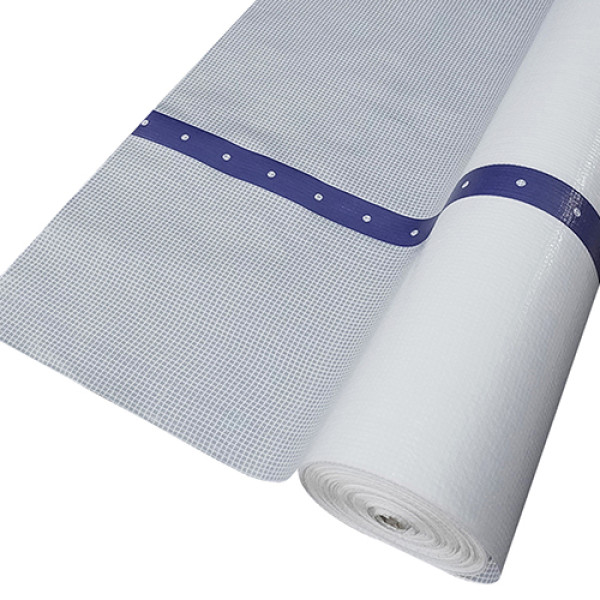
The fire-retardant quality of these tarps can prevent fire from occurring or slow down the process.
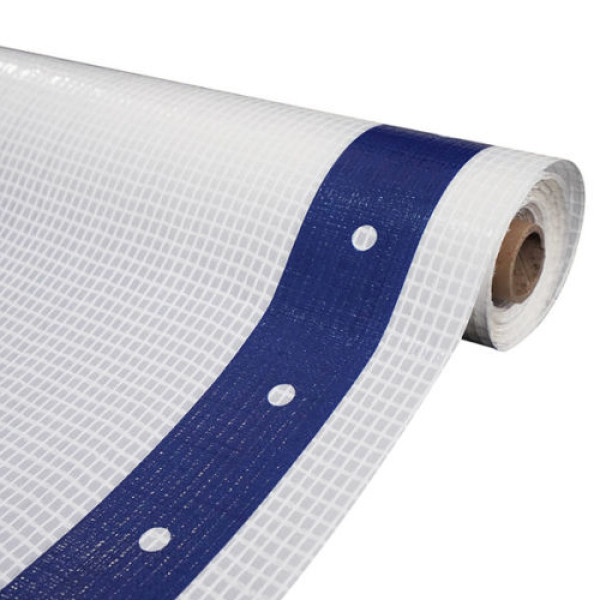
The fire-retardant quality of these tarps can prevent fire from occurring or slow down the process.
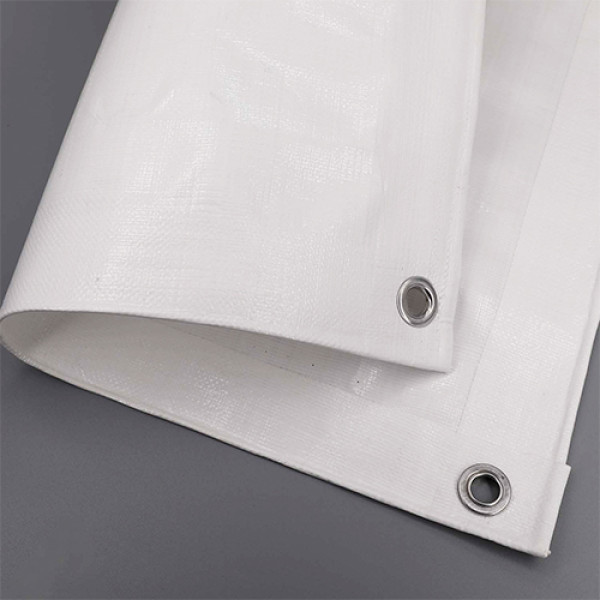
Fire-retardant tarps are excellent protection covers in areas and/or situations vulnerable to fire and strong heat.
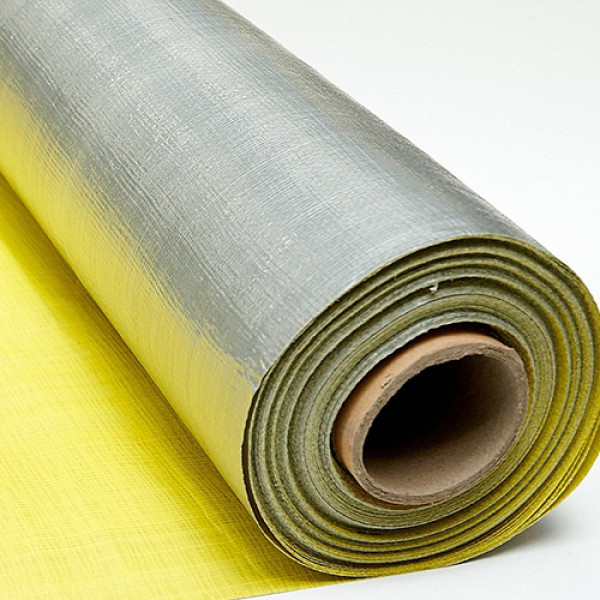
PE Tarpaulin Rolls are made from HDPE cross weaving fabric, laminated with LDPE.
 Office: No. 6, Cuiling Road, Qingdao, Shandong, China
 +86-532-88915029