


How to Verify the Quality of PE/PP-Coated Fabrics | TAIMEI Expert Guide
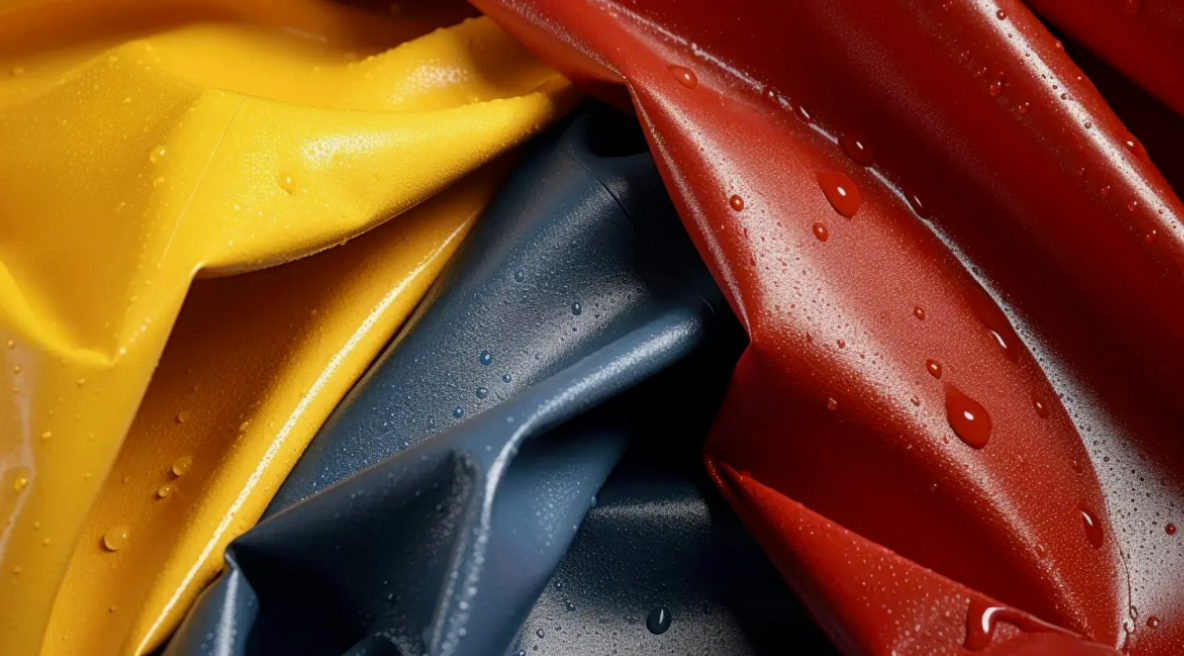
PE (Polyethylene) and PP (Polypropylene) coated fabrics are essential materials widely used across industries, including construction, packaging, agriculture, and transportation. Their durability, chemical resistance, weatherproof qualities, and cost-effectiveness make them the preferred choice for numerous applications. However, the performance and longevity of these fabrics depend heavily on the quality of the coating applied.
Understanding PE/PP Coatings: Composition and Significance
At TAIMEI, we emphasize that rigorous quality verification is paramount to ensuring these fabrics meet industry standards, customer expectations, and safety regulations. Proper assessment of PE/PP-coated fabrics involves comprehensive inspection techniques, stringent testing standards, and expert analysis of various parameters that influence overall fabric performance.
Understanding PE/PP Coatings: Composition and Significance
Before diving into verification techniques, it is crucial to understand what PE and PP coatings entail. These coatings are thin polymer layers applied to fabric surfaces to enhance properties such as water resistance, UV stability, chemical resistance, and mechanical strength.
PE Coatings: Known for excellent moisture barriers, flexibility, and chemical resistance. Typically used in industrial packaging, geomembranes, and agricultural films.
PP Coatings: Valued for higher temperature resistance, rigidity, and long-term durability. Commonly used in industrial tarpaulins, banners, and medical textiles.
The quality of coating adhesion, uniformity, and thickness directly influences the fabric's performance in its intended application.
Key Parameters for Verifying PE/PP-Coated Fabric Quality
1. Visual Inspection: The First Line of Defense
Visual assessment is the initial step in quality verification. It involves scrutinizing the fabric surface for:
Uniformity of Coating: The coating should be evenly distributed without blisters, bubbles, or wrinkles.
Color Consistency: Color deviations may indicate inconsistent coating thickness or contamination.
Surface Defects: Look for peeling, cracking, or delamination, which compromise fabric integrity.
Edge Quality: Edges should be smooth and well-finished to prevent peeling or fraying.
TAIMEI employs advanced inspection systems that utilize digital imaging and high-resolution cameras to detect even the most subtle surface anomalies.
2. Thickness Measurement: Ensuring Coating Uniformity
Coating thickness is a vital parameter. It affects barrier properties, flexibility, and wear resistance.
Methods:
Magnetic Induction (Micrometers): Suitable for metal-coated fabrics.
Destructive Cross-Sectional Testing: Cutting a fabric sample to measure coating layers under a microscope.
Non-Destructive Techniques: Use of ultrasound or infrared spectroscopy for rapid, in-line measurement.
TAIMEI utilizes precision ultrasonic thickness gauges to verify coating uniformity across large fabric rolls, ensuring adherence to specified standards.
3. Adhesion Testing: Confirming Coating Bond Strength
Proper adhesion between the coating and fabric substrate is critical to prevent delamination during use.
Test Methods:
Pull-Off Test: Measures the force required to detach the coating.
Cross-Hatch Adhesion Test: Assesses the coating's ability to resist peeling at cut lines.
Tape Test: Applies adhesive tape to the surface to check for coating removal.
TAIMEI follows ASTM D3359 and ISO 2409 standards for adhesion testing, providing reliable data on bond strength.
4. Mechanical Property Tests: Assessing Durability and Flexibility
The mechanical properties of PE/PP-coated fabrics determine their resistance to tearing, puncturing, and flexing.
Tensile Strength: Ensures fabric can withstand pulling forces.
Elongation at Break: Measures flexibility and ductility.
Tear Resistance: Assesses resistance to the propagation of tears.
Puncture Resistance: Critical for applications exposed to sharp objects.
TAIMEI's laboratories are equipped with state-of-the-art tensile testers, tear testers, and puncture resistance devices that simulate real-world stresses.
5. Water and Chemical Resistance Tests
Given the primary application of PE/PP coatings as barrier layers, testing their waterproofness and chemical resistance is essential.
Hydrostatic Pressure Test: Determines the fabric's ability to resist water penetration under pressure.
Chemical Resistance Test: Exposes samples to acids, alkalis, oils, and solvents to assess degradation or permeability.
UV Stability Test: Simulates sunlight exposure to evaluate aging and durability.
TAIMEI conducts these tests in compliance with ISO 811, ASTM D543, and other relevant standards.
6. Environmental and Aging Tests
To ensure long-term performance, fabrics undergo accelerated aging tests:
UV Exposure: Simulates sunlight exposure over extended periods.
Temperature Cycling: Tests resistance to thermal expansion and contraction.
Humidity and Moisture Tests: Assess susceptibility to mold, mildew, and hydrolysis.
These tests predict long-term durability and service life.
Advanced Techniques for Accurate Quality Verification
1. Infrared Spectroscopy (FTIR) Analysis
Fourier-transform infrared spectroscopy (FTIR) identifies chemical composition and detects coating uniformity at a molecular level. It is particularly useful for verifying coating purity and the presence of additives.
2. Scanning Electron Microscopy (SEM)
SEM provides high-resolution imaging of the coating surface and cross-sections, revealing microstructural details such as coating adhesion, defects, and layer interfaces.
3. X-Ray Fluorescence (XRF) and Energy Dispersive X-Ray Spectroscopy (EDS)
These techniques analyze elemental composition, ensuring that additives and fillers meet specifications.
Standards and Certifications for PE/PP-Coated Fabrics
Adhering to internationally recognized standards guarantees product consistency and market acceptance.
ISO 9001: Quality management systems.
ISO 9002: Quality assurance in manufacturing.
ASTM Standards: D751, D751, D1777, D3330, D5034, D2260, D624.
EN Standards: EN 13758, EN 13274.
REACH and RoHS: Chemical safety compliance.
TAIMEI ensures all products undergo rigorous testing aligned with these standards, providing certificates of conformity for each batch.
Implementing a Robust Quality Assurance System
TAIMEI advocates for a comprehensive quality assurance framework that covers:
Raw Material Inspection: Ensuring polymer resins meet purity and consistency requirements.
Process Control: Monitoring coating application parameters, temperature, and curing conditions.
In-Process Testing: Real-time measurement of coating thickness, adhesion, and surface quality.
Final Inspection: Multi-parameter testing before shipment.
Traceability: Maintaining detailed records for each batch.
This holistic approach minimizes defects, enhances reliability, and ensures customer satisfaction.
Conclusion: Achieving Excellence in PE/PP-Coated Fabric Quality with TAIMEI
Verifying the quality of PE/PP-coated fabrics is a multifaceted process demanding meticulous inspection, advanced testing, and strict adherence to standards. At TAIMEI, we leverage cutting-edge technology, comprehensive testing protocols, and industry expertise to guarantee that every fabric roll meets the highest quality benchmarks.
By integrating visual inspection, precise measurement techniques, mechanical and chemical testing, and environmental simulations, we ensure our PE/PP-coated fabrics deliver superior performance, long-lasting durability, and unmatched reliability across all applications.
Choose TAIMEI for trusted quality assurance and industry-leading expertise in PE/PP-coated fabrics. Our commitment to excellence ensures your projects are built on robust, dependable materials that stand the test of time.
 Office: No. 6, Cuiling Road, Qingdao, Shandong, China
 +86-532-88915029